


What is the difference between the plastic base and traditional materials?
There are significant differences between plastic base cloth and traditional materials in multiple aspects. The following is a detailed analysis of these differences:
1. Material nature and structure
Material nature:
Plane base cloth: Plane base cloth is a specially treated industrial cloth. It is usually made of cotton cloth, glass cloth and other substrates in the adhesives such as phenolic resin. This treatment makes the plastic pupae has excellent abrasion resistance, corrosion resistance, high adhesion strength, and good chemical stability. In addition, the plastic base cloth can also maintain stable performance in high temperature and low temperature environment, and it is not vulnerable to external conditions.
Traditional materials: Traditional materials cover extensive substances, such as metal, inorganic non -metallic materials (such as cement, ceramics, glass), organic synthetic materials (such as plastic, rubber, synthetic fiber), etc. The nature of these materials is different, but most of them have the characteristics of all wear resistance, corrosion resistance, and high adhesion strength of the plasma base cloth.
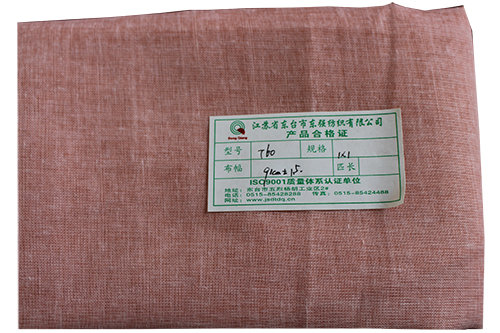
Structure characteristics:
Platform -soaked base: Its structure is mainly composed of substrates and adhesives. After immersion and curing, a uniform and dense enhancement layer is formed. This structure allows the plastic base to provide strong support and protective effects in applications.
Traditional materials: The structure of traditional materials is diverse, depending on the specific material types and uses. For example, metal materials usually have good ductility and conductivity; inorganic non -metal materials may have high strength and high temperature resistance; organic synthetic materials may have the characteristics of light quality and corrosion resistance.
Pyrite
2. Application field and use
Application field:
Plane base cloth: Due to its excellent performance, the plastic base cloth is widely used in chemical, construction, transportation and other fields. For example, in the chemical industry, the plastic base cloth can be used to make corrosive pipelines and storage tanks; in the construction industry, it can be used to enhance the strength and durability of the concrete structure.
Traditional materials: The application of traditional materials is more widely used, covering almost all aspects of human life. From daily necessities to industrial equipment, from architecture to transportation, it is inseparable from the support of traditional materials.
Specific use:
Plane base cloth: In addition to the above -mentioned pipeline and storage tank production, the plastic base cloth can also be used to make the protective layer of various components, large -scale large parts of the shape. Its high adhesion strength and corrosion resistance make it have unique advantages in occasions that require high strength and durability.
Traditional materials: Specific uses vary depending on the type of materials. For example, metal materials can be used to manufacture mechanical parts and architectural structures, etc.; Inorganic non -metal materials can be used to make ceramic utensils, glass products, etc.; Organic synthetic materials can be used to make plastic products and rubber products.
3. Summary
In summary, there are significant differences in the material nature and structure, application field and use of traditional materials in terms of material properties and structures. With its unique wear resistance, corrosion resistance, high adhesion strength, and good chemical stability, it plays an irreplaceable role in specific fields. The traditional materials continue to play an important supporting role in the development of human society with their diverse nature and wide application areas.


