


Polyester characteristics for industrial cloth
1. High strength. The short fiber strength is 2.6 ~ 5.7cn/dtex, and the high -powerful fiber is 5.6 ~ 8.0cn/dtex. Due to the low hygroscopicity, its wetness intensity is basically the same as that of dry state. The impact strength is 4 times higher than nylon, 20 times higher than the glue fiber.
2. Good elasticity. Elasticity is close to wool, and when extension is 5%to 6%, it can be fully recovered. Wrinkle resistance exceeds other fibers, that is, the fabric does not wrinkle, and the size stability is good. The elastic modulus is 22 to 141cn/dtex, which is 2 to 3 times higher than nylon. The polyester fabric has high strength and elastic recovery ability, so it is firm and durable, anti -wrinkled.
3. The heat -resistant polyester is made by melting spinning method. The fiber after forming can be heated and melted again, which is a thermoplastic fiber. The melting point of polyester is relatively high, and the heating rate is smaller than the heat capacity and thermal conductivity, so the heat resistance and thermal insulation of polyester fiber are higher. It is good in synthetic fiber.
4. The thermal plasticity is good and the anti -meltingability is poor. Due to the smooth surface of the polyester and the internal molecules are tightly arranged, polyester is a fabric with good thermal resistance in synthetic fiber fabrics. It has armoplasticity, can be made of pleated skirt, and has long -lasting pleats. At the same time, polyester fabrics have poor anti -melting properties, and they are prone to forming holes such as ash and Mars. Therefore, try to avoid contact with cigarette butt and sparks when wearing.
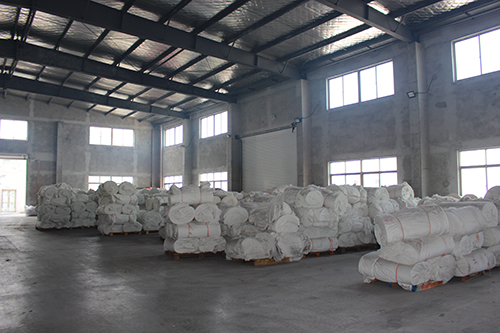
5. Good abrasion resistance. The abrasion resistance is second only to nylon with good abrasion resistance, which is better than other natural fibers and synthetic fibers.
Industrial cloth manufacturer
6. Good light resistance. Light resistance is second only to acrylic. Polyester fabric has a good light resistance. In addition to the worse than acrylic, its sun resistance is better than natural fiber fabrics. Especially the ability to resist behind the glass is very good, and it is almost comparable to acrylic.
7. Corrosion resistance. It is resistant to bleach, oxidant, hydrocarbons, ketones, petroleum products and inorganic acids. It is resistant to dilute alkali and is not afraid of mold, but thermal alkali can make it decompose. There is also a strong anti -acid alkali, anti -ultraviolet ability
8. The chromosome is poor, but the color solidity is good and it is not easy to fade. The polyester molecular chain has no specific chromosomal group, and it is smaller, so dyeing is more difficult, the dye is poor, and the dye molecules are not easy to enter the fiber.
9. Poor moisture absorption, stuffy and hot -dressed, at the same time are easy to use electrostatic, dirty dust, affecting beauty and comfort. However, it is easy to dry after washing, and the wetness is almost not reduced, does not deform, and has good washing performance.
summary:
The fabrics made from ordinary polyester long silk have the advantages of good strength, smooth and easy to wash and dry, but there are shortcomings such as hard hand, poor touch, luster, breathable, poor hygroscopic and other disadvantages. Essence If compared with the silk fabric, the gap is larger, so you first need to simulate the silk structure to eliminate the disadvantages of the poor performance.


